.png)
Identity Shifts Triggered by Online Gambling
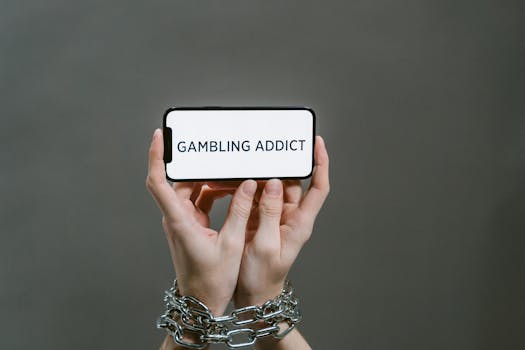
In recent years, the surge in online gambling has not only altered the landscape of gaming but also significantly impacted the identities of numerous individuals. This phenomenon, while providing entertainment and potential financial gain, can also lead to profound psychological changes. This article explores the identity shifts triggered by online gambling, detailing the causes, effects, and how individuals can manage these changes effectively.
Understanding Identity Shifts in Online Gambling
Identity shifts refer to changes in how individuals perceive themselves and how they are perceived by others as a result of engaging in online gambling. These shifts can affect personal relationships, professional life, and even one’s mental health. The immersive nature of online gambling can lead to a strong emotional connection to the activity, which in some cases, reshapes a person’s priorities, behaviors, and self-conception.
Causes of Identity Shifts in Online Gambling
The primary cause of identity shifts in online gambling is the psychological immersion and detachment from reality it often entails. Regular participation in online gambling can create a disconnect between an individual's actions in the virtual world and their real-life responsibilities and relationships. This can be exacerbated by the anonymity and ease of access provided by online platforms, allowing users to gamble unnoticed for extended periods.
Disadvantages:
- Loss of reality: Gamblers might begin to prefer the thrill of gambling over everyday activities, leading to negligence of personal and professional responsibilities.
- Increased risk of addiction: The dopamine release associated with gambling wins can lead to dependency, making it difficult for individuals to stop gambling even when it negatively affects their lives.
- Potential for positive identity reinforcement: For some, small, controlled gambling stints can boost confidence and offer a sense of accomplishment, especially after wins.
- Effectiveness in addressing addiction: CBT has a robust track record in treating various forms of addiction, including gambling.
- Improved self-awareness: Helps individuals recognize the triggers and consequences of their gambling behavior.
- Requires professional guidance: Effective CBT typically requires sessions with a trained therapist, which might not be accessible to everyone.
- Time and emotional investment: The process can be lengthy and emotionally challenging.
- Immediate barriers to gambling: Self-exclusion provides a direct way to cut off access, helping individuals resist the urge to gamble.
- Community support: Support groups offer a sense of belonging and understanding, which is crucial for emotional recovery.
- Reliance on personal vigilance: Self-exclusion programs require gamblers to be proactive in signing up and adhering to their restrictions.
- Variable effectiveness of support groups: The effectiveness of support groups can vary depending on the dynamics and commitment of their members.
Advantages:
Managing Identity Shifts
Cognitive Behavioral Therapy (CBT)
CBT is a widely recognized approach to treat gambling addiction, which can help manage the identity shifts associated with it. By challenging and changing unhealthy cognitive distortions and behaviors, CBT can help individuals regain a sense of reality and control over their actions.
Advantages:
Disadvantages:
Self-exclusion Programs and Support Groups
Many online gambling sites offer self-exclusion programs that allow gamblers to block themselves from accessing their accounts. Additionally, support groups like Gamblers Anonymous provide peer support to help manage gambling habits.
Advantages:
Disadvantages:
Practical Examples
John, a regular online poker player, noticed a gradual shift in his priorities, preferring gaming over spending time with friends and family. Realizing the adverse effects, he sought CBT and joined a self-exclusion program, which helped him balance his life and regain control over his gambling habits.
Conclusion
Online gambling can significantly affect an individual's identity, leading to detrimental shifts if not managed effectively. Understanding these changes, recognizing the causes, and taking proactive steps towards management can mitigate the risks associated with online gambling. Therapeutic approaches like CBT, coupled with practical tools such as self-exclusion programs and support groups, offer effective solutions for those experiencing negative shifts in identity due to online gambling. If you or someone you know is struggling with gambling addiction, it is crucial to seek help from professionals and consider joining support networks to navigate the journey towards recovery.